
Sustainable living is more than just a trend. It is a practical way to reduce waste, conserve natural resources, and make everyday life more environmentally responsible. From choosing reusable products to saving electricity and buying sustainable clothing, small changes can help households reduce their environmental impact.
The best part is that sustainable living does not have to be expensive or complicated. You can start with simple habits that fit your lifestyle, budget, and daily routine. You do not need to replace everything you own or purchase expensive green products to make a difference.
In this guide, we will explore 17 easy eco-friendly habits, sustainable shopping ideas, green home improvements, fashion tips, and recycling practices that can help you build a more sustainable lifestyle.
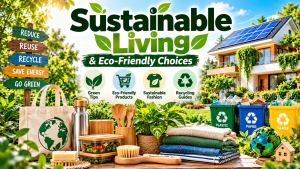
What Is Sustainable Living?
Sustainable living means making everyday choices that use resources responsibly, reduce unnecessary waste, and help protect the natural environment.
It involves thinking carefully about what you buy, how you use energy and water, what happens to the products you throw away, and how your lifestyle affects the planet.
Examples of sustainable living include:
- Reducing single-use plastic.
- Reusing household products.
- Saving water and electricity.
- Choosing durable clothing.
- Reducing food waste.
- Recycling materials correctly.
- Walking, cycling, or using public transportation when practical.
- Buying only what you genuinely need.
Sustainability is not about achieving perfection. It is about making practical improvements and maintaining habits that work for you.
1. Reduce Single-Use Plastic:
Plastic packaging and disposable products can create significant waste when they are not properly collected or managed. Reducing unnecessary single-use items is a simple starting point for an eco-friendly lifestyle.
Try carrying a reusable shopping bag, using a refillable water bottle, and choosing reusable food containers instead of disposable alternatives.
You can also avoid unnecessary packaging when suitable alternatives are available.
However, do not throw away useful plastic products simply to replace them with supposedly greener alternatives. Using existing products for longer can be a sensible environmental choice.
2. Choose Eco-Friendly Products Wisely:
Eco-friendly products are designed or selected with environmental considerations in mind. They may use fewer resources, reduce packaging, last longer, or be easier to reuse or recycle.
Consider these practical alternatives:
- Reusable cleaning cloths instead of disposable paper towels.
- Refillable soap and cleaning product containers.
- Durable food storage containers.
- Rechargeable batteries for frequently used devices.
- Reusable shopping bags.
- Energy-efficient LED light bulbs.
Before buying a new product, consider its durability, maintenance, packaging, and disposal options.
Remember that a product labelled “green” or “natural” is not automatically better for the environment. Look for specific, verifiable information rather than relying entirely on marketing claims.
3. Save Electricity at Home:
Reducing electricity consumption can help lower household bills and, depending on the energy source, reduce associated greenhouse gas emissions.
You can start by switching off unnecessary lights, using LED bulbs, and making better use of natural daylight.
Other useful habits include:
- Choosing energy-efficient appliances when replacing old ones.
- Washing suitable full loads of laundry.
- Cleaning appliance filters as recommended.
- Adjusting air conditioning and heating settings sensibly.
- Turning off equipment when it is not needed.
- Avoiding unnecessary cooling or heating of unused rooms.
When buying a new appliance, compare its energy rating and expected electricity use. An efficient appliance may cost more initially but could offer savings over its useful life.
4. Save Water Every Day:
Water conservation is an important part of sustainable living, especially in areas where water supplies are under pressure.
Simple habits can help reduce unnecessary water use.
Repair leaking taps, turn off the tap while brushing your teeth, and avoid running washing machines with very small loads when a full load is practical.
You can also water plants during cooler parts of the day to reduce evaporation and choose plants suited to your local climate.
If rainwater harvesting is permitted and practical in your area, collected rainwater may be useful for suitable outdoor activities.
Always prioritize safe drinking water, hygiene, and essential household needs.
5. Make Sustainable Fashion Choices:
Sustainable fashion focuses on reducing the environmental and social impact of clothing production, use, and disposal.
One of the simplest approaches is to buy fewer clothes and use them for longer.
Instead of purchasing something every time a new trend appears, choose versatile garments that work with your existing wardrobe.
You can make more sustainable fashion choices by:
- Repairing clothes instead of discarding them.
- Buying second-hand clothing when suitable.
- Donating or reselling wearable garments.
- Choosing durable items rather than disposable trends.
- Following garment care instructions to extend clothing life.
- Avoiding unnecessary purchases during sales.
Materials such as recycled fibres or organic cotton may offer advantages in some circumstances, but the environmental impact depends on how a product is made, used, washed, and disposed of.
The most practical sustainable fashion habit is to make better use of the clothes you already own.
6. Recycle Household Waste Correctly:
Recycling can help recover valuable materials and reduce the amount of waste sent to landfills. However, recycling rules differ by location, so it is important to understand what your local collection system accepts.
Follow these basic practices:
- Separate recyclable materials according to local rules.
- Remove food residue from containers when required.
- Flatten cardboard boxes if appropriate.
- Keep batteries and electronic waste separate from general rubbish.
- Check whether particular plastics are accepted.
- Never assume that every item displaying a recycling symbol can be recycled locally.
In India, check your municipal authority or authorized waste-management provider for collection guidelines.
Correct sorting helps reduce contamination and makes recycling systems more effective.
7. Start Composting at Home:
Composting turns suitable organic waste into a useful soil amendment. It can reduce the amount of food and garden waste sent to landfill.
Suitable composting materials may include fruit and vegetable scraps, dry leaves, and certain untreated plant materials.
To start composting at home:
- Choose a suitable compost bin or system.
- Add a mixture of appropriate green and dry materials.
- Maintain suitable moisture and airflow.
- Avoid materials that attract pests or create problems in your system.
- Follow the instructions for your chosen composting method.
People living in apartments can explore compact composting systems or community composting programs.
Composting works best when combined with meal planning and other efforts to prevent food waste in the first place.
8. Reduce Food Waste:
Food waste wastes more than food itself. It also represents the water, energy, land, labour, and transportation used to produce and deliver it.
You can reduce food waste by planning meals, checking your refrigerator before shopping, and storing food correctly.
Here are some useful habits:
- Make a grocery list before shopping.
- Buy quantities that match your household’s needs.
- Freeze suitable foods before they spoil.
- Use leftovers safely.
- Organize your refrigerator and pantry.
- Learn the storage requirements of different foods.
- Avoid purchasing products you are unlikely to use.
For example, leftover vegetables can often be incorporated into soups, rice dishes, or other meals.
Reducing food waste can also help you save money on groceries.
9. Use Greener Transportation:
Transportation choices can influence your environmental footprint. Where practical, choosing lower-emission travel options can help reduce pollution and fuel consumption.
Consider walking or cycling for short journeys when routes are safe. Public transportation can also reduce the need for individual car journeys.
Other options include sharing rides, combining errands into one trip, and choosing online meetings when travel is unnecessary.
The right choice depends on your location, accessibility needs, safety, and available transportation services.
You do not need to eliminate car travel entirely. Even occasional changes to your routine can be a useful starting point.
10. Make Your Kitchen More Sustainable:
The kitchen is one of the easiest places to develop environmentally responsible habits because it involves food, water, energy, and packaging.
You can make your kitchen more sustainable by using reusable containers, planning meals, reducing food waste, and choosing durable utensils.
Consider these additional ideas:
- Use reusable cloths for suitable cleaning tasks.
- Store food properly to extend freshness.
- Avoid buying unnecessary kitchen gadgets.
- Choose energy-efficient appliances when replacing old ones.
- Compost suitable organic waste.
- Carry reusable shopping bags.
- Repair or reuse safe containers where practical.
When purchasing kitchen products, consider how frequently you will use them and how long they are likely to last.
A simple, durable product that you use regularly may be a better choice than an expensive item with limited practical value.
11. Grow Plants at Home:
Home gardening can help you connect with nature and grow herbs, vegetables, or ornamental plants in available spaces.
You do not need a large garden. A windowsill, balcony, terrace, or small outdoor area may be enough for certain plants.
Depending on sunlight and local conditions, you might grow mint, coriander, basil, tomatoes, or seasonal vegetables.
Choose plants that suit your climate and available space. Use containers with suitable drainage, water efficiently, and avoid unnecessary fertilizer or pesticide use.
Native plants can also be useful for supporting local biodiversity when they are appropriate for your location.
12. Buy Less and Choose Durable Products:
Buying fewer unnecessary items is one of the most effective ways to reduce consumption-related waste.
Every new product requires resources for some combination of raw materials, manufacturing, packaging, and transportation.
Before purchasing something, ask yourself:
- Do I genuinely need it?
- Can I repair something I already own?
- Can I borrow or rent the item?
- Is it durable and repairable?
- Will I use it regularly?
- Can it be reused or responsibly disposed of later?
Buying second-hand products, repairing household items, and borrowing rarely used equipment can help reduce unnecessary consumption.
A simple waiting period before non-essential purchases can also help you avoid impulse buying.
13. Support Responsible Brands:
Your purchasing choices can encourage businesses to improve their environmental practices.
When comparing brands, look for transparent information about product materials, manufacturing, packaging, durability, and end-of-life disposal.
Relevant third-party certifications may also help you evaluate particular environmental or social claims.
Be cautious of vague promises such as “100% sustainable” or “completely green” when they are not supported by evidence.
A higher price does not automatically mean a product is more environmentally responsible. Compare its expected lifespan, performance, repairability, and total cost of use.
14. Reduce Paper Waste:
Digital tools can reduce paper consumption when they replace unnecessary printing. However, digital storage and electronic devices also use energy and resources, so the goal should be sensible consumption rather than replacing everything automatically.
You can reduce paper waste by:
- Printing only when necessary.
- Using both sides of paper.
- Choosing digital receipts where practical.
- Reusing paper for rough notes.
- Recycling paper through an accepted local collection service.
- Avoiding unnecessary packaging and printed promotional material.
For documents that must be printed, choose settings that reduce paper use without compromising readability or legal requirements.
15. Make Sustainable Living Affordable:
Living sustainably does not have to mean spending more money. Many environmentally responsible habits can reduce household expenses.
| Habit | Potential benefit |
|---|---|
| Planning meals | Less food waste |
| Repairing clothes | Longer garment life |
| Switching off unnecessary lights | Lower electricity consumption |
| Reusing suitable containers | Fewer replacement purchases |
| Buying second-hand | Potentially lower shopping costs |
| Walking for short trips | Reduced transportation costs |
| Borrowing rarely used equipment | Fewer unnecessary purchases |
| Choosing durable products | Potentially fewer replacements |
Actual savings depend on your household, local prices, and existing habits.
Start with changes that are easy to maintain and do not require large upfront investments.
16. Teach Children Eco-Friendly Habits:
Children can learn environmental responsibility through simple everyday activities.
Encourage them to switch off lights when leaving a room, use reusable water bottles, avoid wasting food, and place waste in the correct bins.
Family activities can include growing plants, repairing toys, reusing craft materials, and participating in suitable community clean-up events.
Explain why these habits matter rather than treating them as rules without context.
When children understand how everyday choices affect resources and waste, they can gradually develop responsible habits of their own.
17. Follow a Simple 30-Day Sustainable Living Plan:
Building sustainable habits gradually can make them easier to maintain.
Week 1: Reduce Waste
- Carry a reusable shopping bag.
- Use a refillable water bottle.
- Review your household rubbish.
- Avoid unnecessary disposable items.
Week 2: Save Water and Energy
- Switch off unused lights.
- Check for leaking taps.
- Make better use of natural daylight.
- Review your household energy habits.
Week 3: Shop More Responsibly
- Plan meals before shopping.
- Repair one damaged item.
- Avoid unnecessary clothing purchases.
- Choose durable products when you need replacements.
Week 4: Reuse and Recycle
- Learn your local recycling rules.
- Separate suitable recyclable materials.
- Explore composting if practical.
- Find an authorized electronic-waste collection option.
At the end of the month, identify the habits that worked best for you. Continue those habits and gradually introduce additional changes.
Frequently Asked Questions About Sustainable Living
What is the easiest way to start sustainable living?
Start with a few simple actions, such as reducing food waste, carrying reusable bags, saving electricity, and using existing products for longer. Choose habits that fit your daily routine.
Are eco-friendly products always better?
Not necessarily. A product’s environmental impact depends on its materials, manufacturing, packaging, durability, use, and disposal. Reusing an existing product may be better than purchasing a replacement.
How can I make my home more sustainable on a budget?
Reduce unnecessary energy and water use, plan meals, repair household items, reuse suitable containers, and consider second-hand products when appropriate.
What is sustainable fashion?
Sustainable fashion aims to reduce the environmental and social impacts of clothing through longer garment use, repair, resale, responsible material choices, and improved production practices.
Why is recycling important?
Recycling can recover useful materials, reduce demand for some virgin resources, and divert suitable waste from landfills. Its benefits depend on correct sorting and effective local recycling systems.
Can sustainable living save money?
Yes. Reducing food waste, repairing items, lowering electricity consumption, and avoiding unnecessary purchases can help reduce expenses. The actual savings depend on individual circumstances.
Innovative Home Office Setup Ideas for Productivity
Conclusion: Start Your Sustainable Living Journey Today
Sustainable living is about making thoughtful everyday choices that conserve resources, reduce unnecessary waste, and support a healthier environment.
You can start by saving electricity, reducing food waste, extending the life of clothing, choosing durable products, and recycling materials correctly.
You do not need to change everything overnight or purchase expensive green products. Begin with a few practical habits, maintain them consistently, and gradually build a lifestyle that works for your household and budget.
Start small, consume thoughtfully, reuse what you can, and make sustainability part of your everyday routine.